Latest Event Updates
VETIVER: FITODEPURAZIONE
ARTICOLO DI VETIVERITALIA.IT
La capacità delle piante di vetiver di estrarre inquinanti è stata estensivamente messa alla prova negli ultimi trenta anni in tutto il mondo, le applicazioni più comuni sono ai reflui domestici, reflui industriali, scarti minerari, percolato da discariche.

FANGHI ROSSI ALCALINI
LAVORAZIONE DELLA BAUXITE
Le piante hanno la capacità di resistere ed incorporare nella biomassa quantità straordinarie diAzoto, Fosforo, Potassio, Metalli Pesanti, Idrocarburi che sarebbero letali per ogni altra pianta.
Questa particolarità la rende adatta per la messa in sicurezza ed il progressivo disinquinamento di aree intensamente inquinate. La copertura vegetale permanente che si ottiene, riduce al minimo la volatilità degli inquinanti presenti sul terreno impedendo che questi penetrino nelle vie aeree di chi si trova in aree limitrofe e nella catena alimentare.
ECCO UN SOMMARIO DELLE TOLLERANZE:
- Elevata tolleranza ad alti livelli di acidità, alcalinità (pH 3.0- 10,5), salinità, sodicità, magnesio.
- Elevata tolleranza ad alti livelli di o Al, Mn, As, Cd, Cr, Ni, Pb, Hg, Se e Zn.
- Tolleranza a livelli estremi di Azoto (10000Kg/ha/annum) e Fosforo (1000Kg/ha/annum).
- Capacità di tollerare ed estrarre molecole quali EsaCloroCicloEsano (DDT) da terreni ed acque.

- Elevati livelli di tolleranza ad erbicidi e pesticidi quali Diuron e Atrazina fino a concentrazioni di 2000mg/L.
- Contemporaneo comportamento da Xerofita ed Idrofita (adattabilità alle condizioni di siccità estrema ed alla vita in palude) dovuto al particolare apparato radicale verticale e profondo, ricco di sclerenchima. Molto adatta a situazioni di allevamento Idroponico in vasche di trattamento (RZT) per scarichi fognari civili, industriali ed agricoli.
-
Allevata in lagune artificiali arriva a smaltire per evapotraspirazione fino a 279KL/ha/giorno circa 7,5 volte più delle comuni canne.
-
I dati relativi al contenuto di Azoto della biomassa di piante adulte indicano la capacità di estrazione ed eliminazione dei nitrati dagli strati più profondi del terreno.
La maniera più innovativa di produrre biomassa per la filiera energetica o acqua riciclata, risiede proprio nella soluzione all’inquinamento che questa pianta può fornire a costi esigui.
GARDEN POOL

Garden Pool started as one family’s blog to document converting an old backyard swimming pool in to a closed-loop food-producing urban greenhouse and has evolved in to a non-profit organization.
The GP (short for Garden Pool) was a one of a kind creation invented by Dennis McClung in October of 2009. It is truly a miniature self-sufficient ecosystem. Rather than keeping our creation to ourselves, we have decided to share it with others. Garden Pools are being built all over the world offering an easy and sustainable solution to current food production challenges.
Garden Pool is dedicated to research and education of sustainable ways to grow food. Our mission as a non-profit is to develop better ways to grow food and help others do the same. Our operations are based in Mesa, Arizona at the home of the original Garden Pool.
MORE INFO: http://gardenpool.org/
ORTO E RICICLO
stORTO-statt’accuORTO
orto sociale legato alla cooperativa sociale L’Aquilone, aperto a chiunque abbia voglia di fare o anche solo di trascorrerci del tempo. Accanto alla terra da coltivare troverete tavoli e cucine da campo, forni in terra cruda e bici macchine!
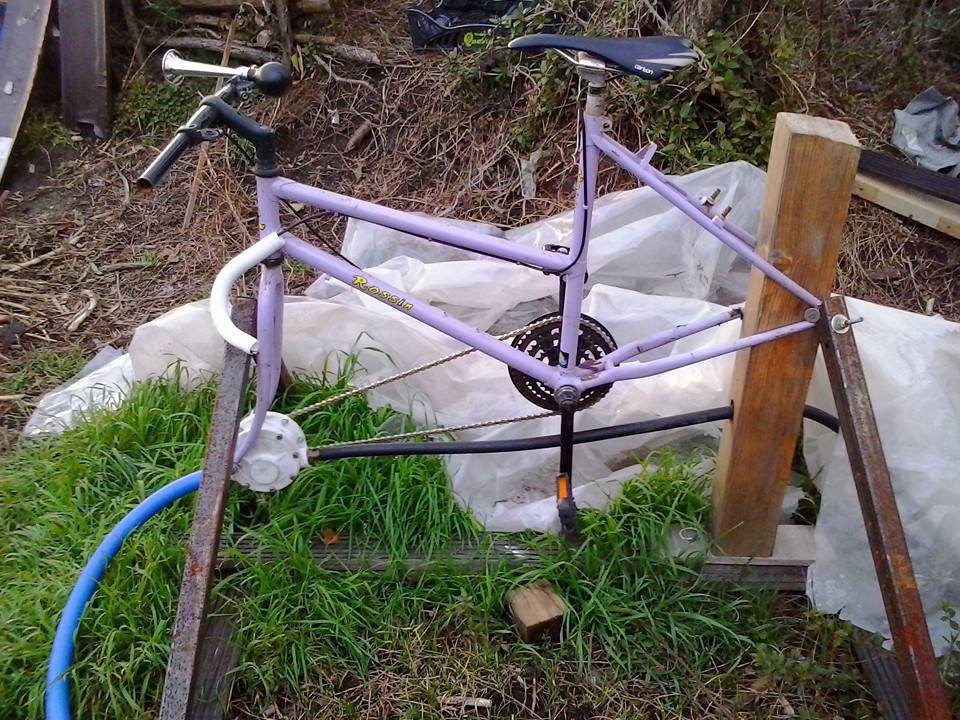
Bicicletta motrice per il recuper dell’acqua
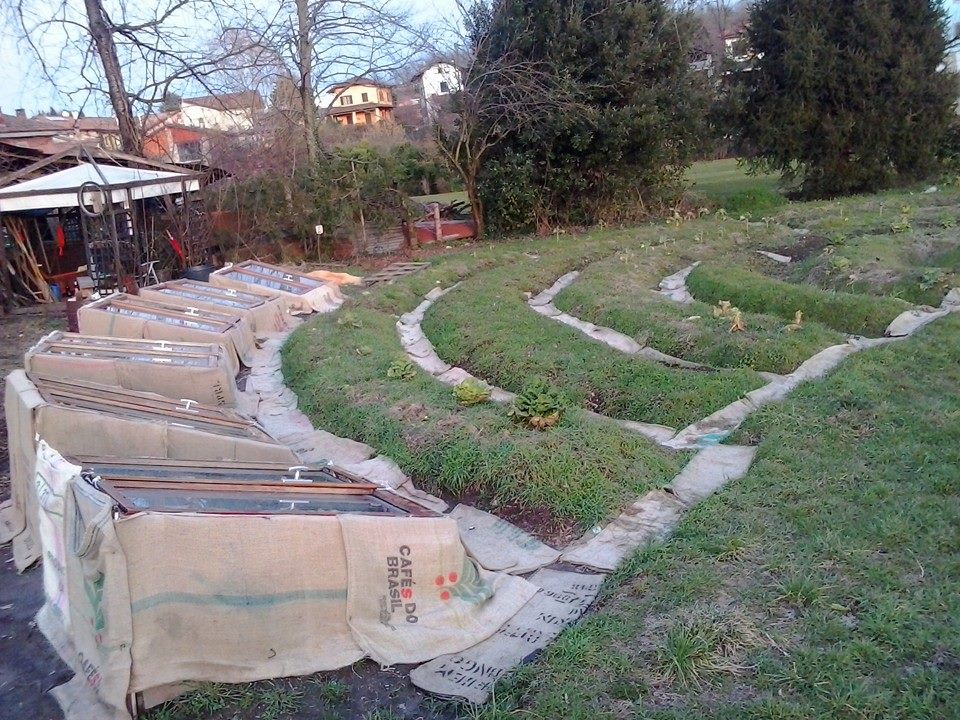
Il mandala con i camminamenti in sacchi di iuta.
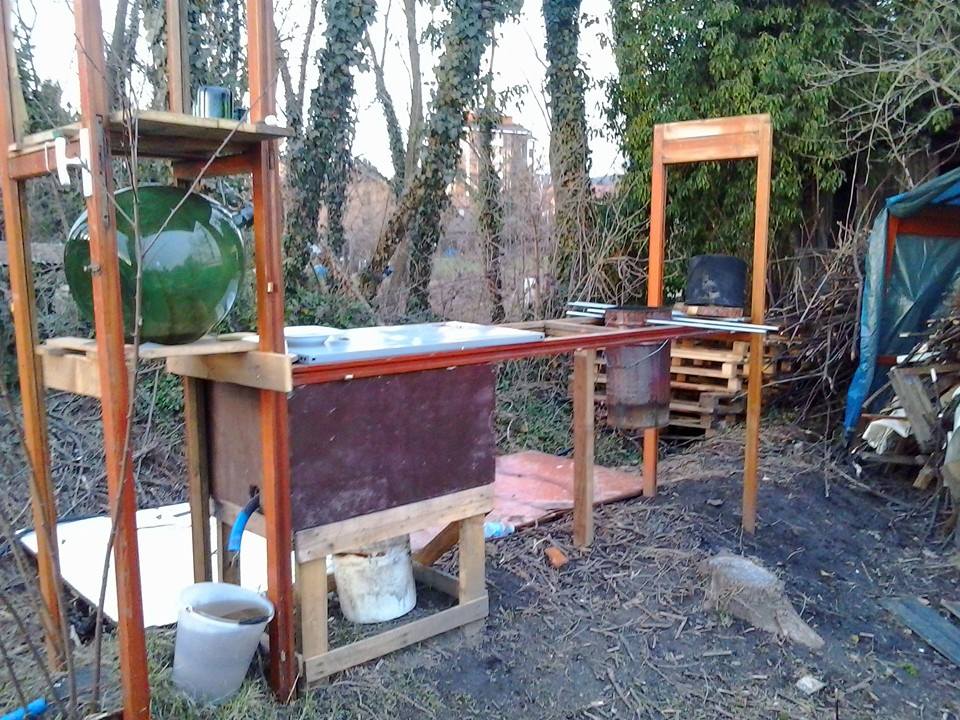
La cucina Economica, realizzata con i telai delle finestre.
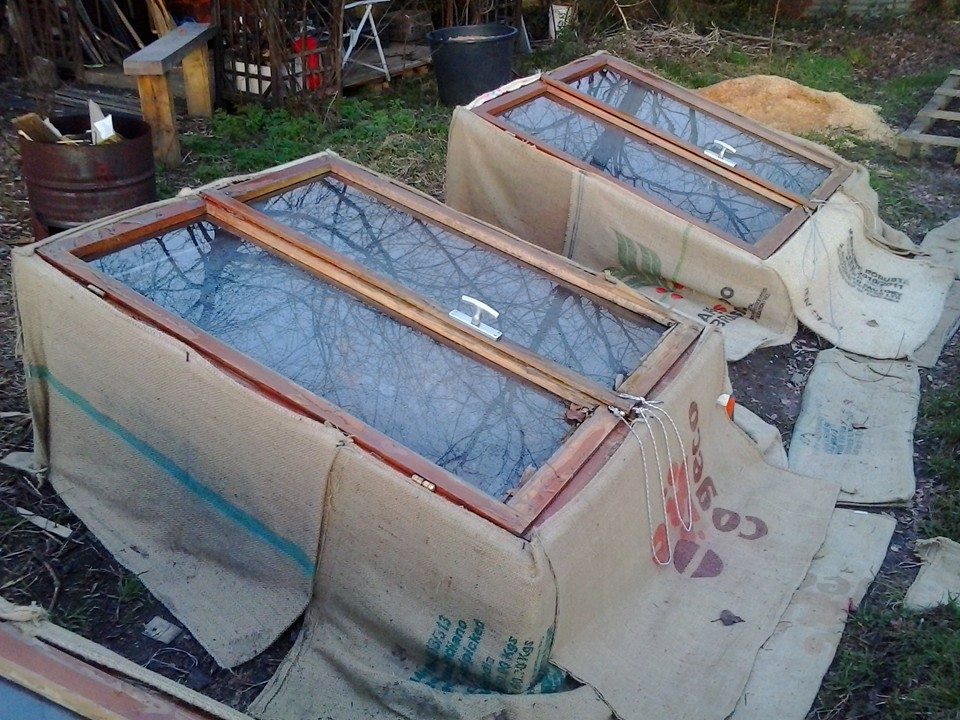
I letti caldi con i sacchi di iuta per coibentare e le finestre recuperate da un restauro.
MORE INFO: https://www.facebook.com/pages/stORTO-StattaccuORTO/376678252448788?fref=ts
HOW TO: SUNFLOWER GREENS
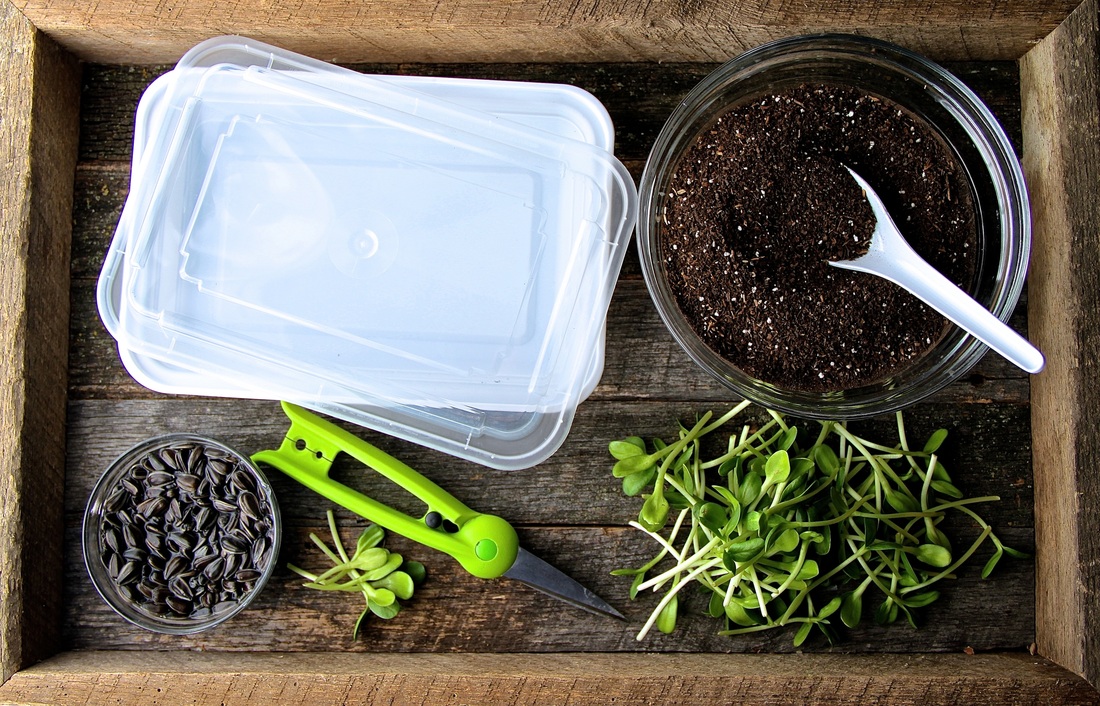
STEP 1: Preparing a little greenhouse/garden bed
- Purchase some whole sunflower seeds that are meant for human consumption (Not the kind you feed the birds with). I order my seeds from the Sprout People, but I am sure there are other places you can find them as well.
- Save one of those white plastic food containers with clear plastic tops that you get from ordering take-out food and poke a few holes in the bottom with scissors or a pen (If you don’t order take-out then you could always use a regular plant pot that has drainage). Save the plastic top to use as a cover while the seeds are under the soil and then you can use the top as a drip tray as they start to grow bigger. (As you can see below I saved two of the clear plastic tops so I could have a top and a drip tray at the same time – We order a lot of Thai take-out because bringing a 3 year old and a 1 year old to a restaurant is just not fun!)
- Get organic potting soil and fill the plastic tray up to the rim (or about 3/4 full). Now you have a little greenhouse/garden bed all set up for your seeds.
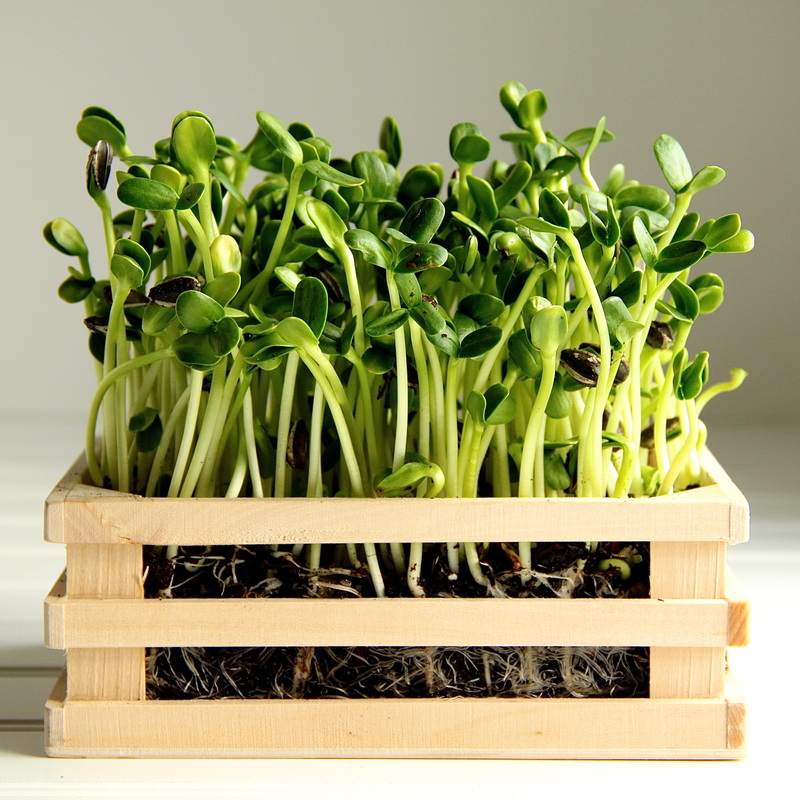
MORE INFO: LINK
BAG CROP: EASY WAY, BEST GOALS!
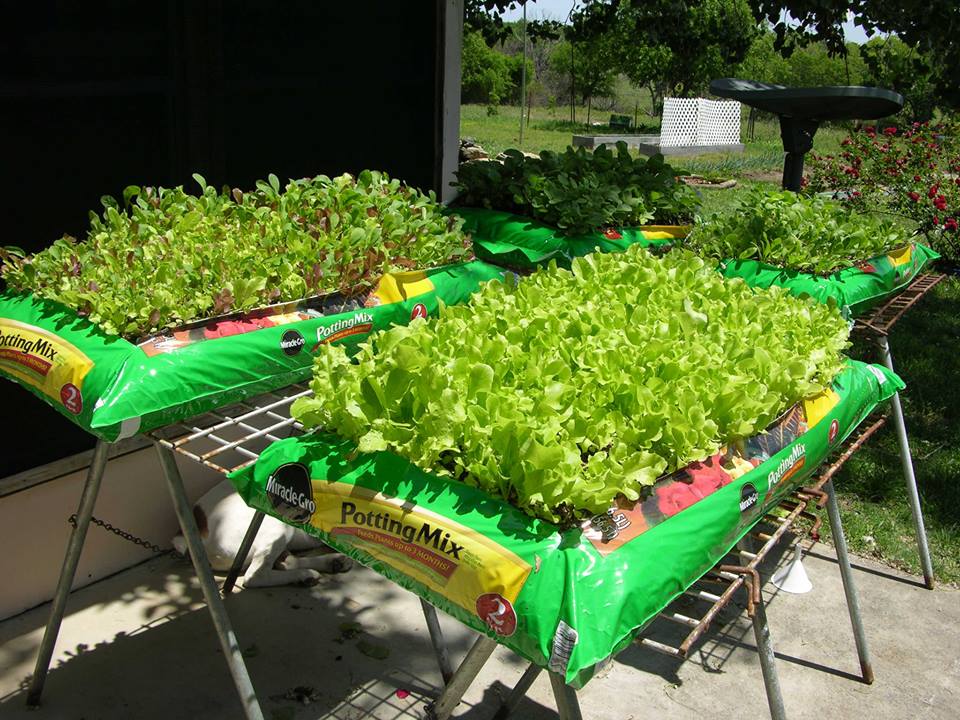
TAKEN FROM LINK
— conAshley Rasmussen
AGEVOLAZIONI PER GLI ORTI URBANI A MILANO
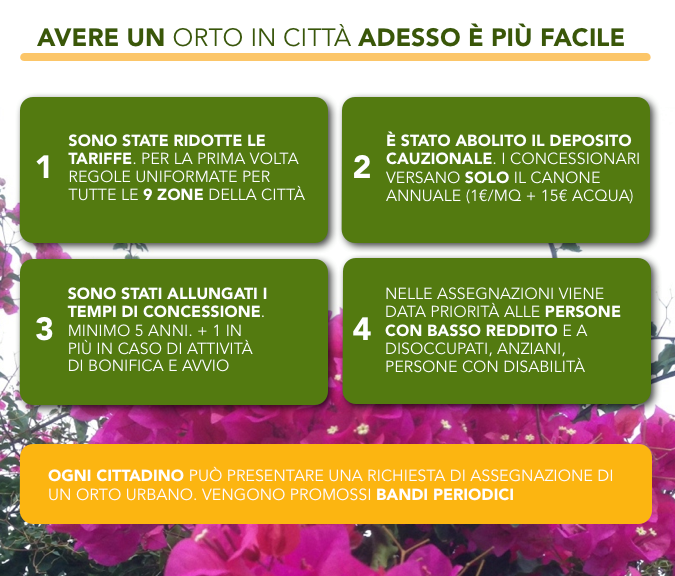
È l’obiettivo del progetto “Coltivami”, per riportare l’agricoltura eco sostenibile a Milano attraverso le esperienze degli orti, con una particolare attenzione al coinvolgimento di persone anziane, giovani, famiglie, cittadini di tutti i Paesi.
Turning Waste Into Wealth: Using Vermicompost to Improve Soils and Improve Waste Management
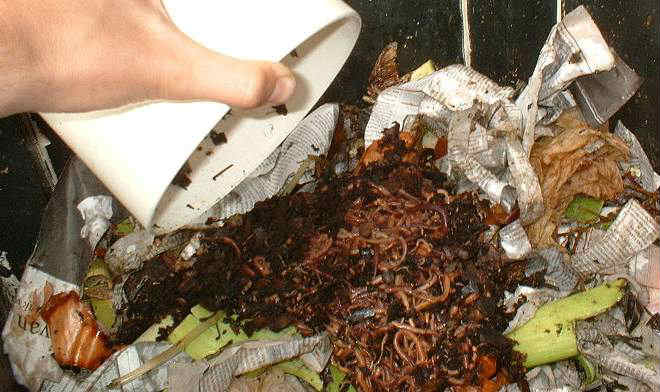
TAKEN FROM: FOOD TANK
According to scientists at the Ecology and Environment Division, Forest Research Institute in India, “management of solid waste has become one of the biggest problems we are facing today. The rapid increase in the volume of waste is one aspect of the environmental crisis, accompanying recent global development.” In addition, degraded soils are a problem throughout the world. Worm composting, orvermicomposting, is an innovative way to address the increase in waste by turning organic matter into nutrient-rich compost for soils, as opposed to dumping waste in landfills. It can be done by home gardeners, farms of various sizes, and in large commercial operations.
Vermicompost can have a number of benefits for soils. As primary consumers in the composting process, earthworms eat organic matter such as food particles and plant debris which they then convert to compost in which nutrients are more easily available to plants. Vermicompost can improve soil structure and soil fertility by increasing porosity and aeration and improving soil moisture-retention, all of which can help increase crop yields. Adding vermicompost to soil can increase microbial organism activity by up to 20 times higher than soil that has not been amended.
Vermicomposting can be done both indoors and outdoors, which means it can be done year-round, an advantage for home gardeners and small-scale farmers. It requires few materials: just a container, worms, moist bedding, and organic matter such as food waste. Managing the process does require some care in terms of providing worms the ideal amount of organic matter and maintaining the ideal amount of moisture in the compost pile. The end product can be used to amend potting soil, used as mulch, as a lawn conditioner, or added to water, which is then used to water plants. Vermicomposting also produces an excess liquid which can be captured and used as a liquid plant fertilizer.
The worms need to be fed organic matter such as fruit and vegetable peels, eggs shells, tea bags, and coffee grounds while avoiding harder-to-digest and vermin-attracting matter such as meat, dairy, oily foods, and grains. They can also process nitrogen-rich manures. According to the Cornell Waste Management Institute “the matter passes out of the worm’s body in the form of casts, which are the richest and finest quality of all humus material. Fresh casts are markedly higher in bacteria, organic material, and available nitrogen, calcium, magnesium, phosphorus and potassium than soil itself.”
There are numerous types of worms which can be effective vermicomposters, depending on local conditions. The scientific names for two commonly used and effective species are Eisenia foetida and Lumbricus rubellus. As vermicomposting has become more common, the biotechnology field has invested more heavily in the research and development of vermiculture, which is the breeding and propagation of earthworms. By treating waste as a useful resource and simulating the natural behavior of worms, “vermiculture provides for the use of earthworms as natural bioreactors for cost-effective and environmentally sound waste management.”
Here is one useful resource on how to vermicompost.
Capital City Farming: 10 Urban Agriculture Projects in Washington, DC

TAKEN FROM: FOODTANK
The urban agriculture movement in Washington, DC, is continuing to grow, as residents look to connect with the land and their food, build community, and create a more sustainable food system. Below, Food Tank looks a little more closely at 10 of these urban agriculture projects.
1. City Blossoms aims to increase youth awareness about caring for themselves and the environment through gardening. Over the past nine years, City Blossoms “has designed a unique method of developing and managing robust green spaces where children and youth are engaged as the main cultivators”, specializing in “an art-based, hands-on approach that emphasizes the strengths and unique qualities of each learning center.” All of City Blossoms programs work with the needs of the local environment and community members.
2. Common Good City Farm started in 2007 as both an education center and an urban farm. The farm offers hands-on training and experience in food production, healthy eating, and environmental sustainability. Although the food grown is intended for low-income residents of Washington, DC, the education is available to everyone.
3. DC Greenworks offers many programs throughout DC. that promotes a new sustainable economy. These programs include rainwater conservation and reuse, green job training, design and construction services, and urban agriculture. Their urban agriculture projects help implement innovative projects, such as rooftop gardens, community gardens, school gardens, and numerous other avenues. All of their projects aim to build a sense of community and strengthen DC’s sustainability.
4. GroW Community Garden was started in 2009 by a group of The George Washington University students. The garden is completely student-organized, with a mission to “restore the environment, promote community, build relationships, and pursue justice through gardening.” Students, faculty, staff, and neighbors are encouraged to take part in the gardening process. Currently 80 percent of the crop is donated to Mariam’s Kitchen’s Meal Program, a soup kitchen for the homeless in DC.
5. Love and Carrots makes people’s yards both beautiful and productive by helping to transform unused green spaces into edible gardens. Love and Carrots aims to take the intimidation out of home gardening by designing, installing, and maintaining organically grown vegetable gardens. Their services range from consultation and design to coaching and maintenance.
6. Neighborhood Farm Initiative’s (NFI) mission is to “promote collaborative, sustainable cultivation of food in urban spaces. [They] work to increase opportunities for Metro DC residents to grow food and participate in the diverse communities that thrive in shared urban gardening spaces.” NFI creates demonstration gardens out of underutilized green spaces, which allows them to provide hands-on gardening experiences and education.
7. Rooftop Roots plants and supports gardens on available rooftops throughout Washington, DC. The company works with organizations to make lightweight and low-cost vegetable gardens, as well as donates produce to local food banks. Through these efforts, Rooftop Roots promotes “community involvement, raising health and nutrition awareness, and inspiring and educating youths and adults alike.”
8. Sharing Backyards encourages urban gardening by connecting people who would like to garden but don’t have the space with those who have available gardening space. It creates trust and connections between neighbors, enabling them to create beautiful gardens together, sharing in the cost, hard work, and eventually the delicious harvest.
9. Three Part Harmony Farm grows a wide variety of plants, including vegetables, fruits, herbs, and flowers, all with organic production techniques. Three Part Harmony Farm aims to decrease the energy costs associated with global food production as well as create food sovereignty for the local community. They also help promote urban farming and gardening by growing and marketing seedlings for home gardening and offering informative workshops.
10. The Washington Youth Garden (WYG) “uses the garden cycle as a tool to enrich science learning, inspire environmental stewardship and cultivate healthy food choices in youth and families.” WYG uses four programs to achieve these goals: Garden Science, which brings garden-based science and nutrition education to DC area elementary schools, Seed to Supper, a six-week summer employment opportunity for older youth, Family Garden Days, where family members can learn about gardening, nutrition, and cooking, and SPROUT, a field trip program to the WYG demonstration garden available to schools throughout the DC metro area.
Sign up for Food Tank’s FREE Weekly Newsletter. More than 110,000 Subscribers And Counting. Click HERE to join
DISNEY: HYDROPONIC PAVILLON
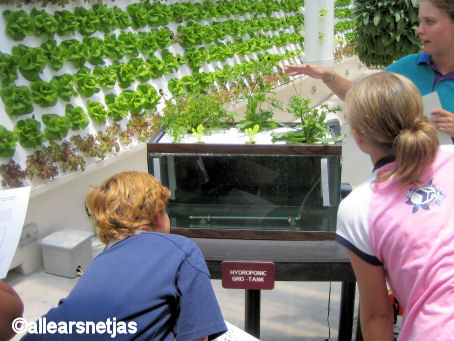
I’m sure that many of you have ridden Living with the Land at Epcot’s Land pavilion many times. And if you’ve gotten off this attraction and said to yourself, “That was nice, but it sure wasn’t Test Track”, then you might want to skip this review. But if you’ve been impressed with the information presented on this 13 minute journey through the future of farming, then read on.
Disney offers a behind the scenes tour of the Living with the Land attraction called Behind the Seeds. This excursion takes small groups of between 10-15 guests backstage with a knowledgeable guide and presents a more in-depth look at the wonders of this attraction. Tours are 45 minutes in length
 Agricoltura Urbana