Uncategorized
THE SCIENCE BARGE

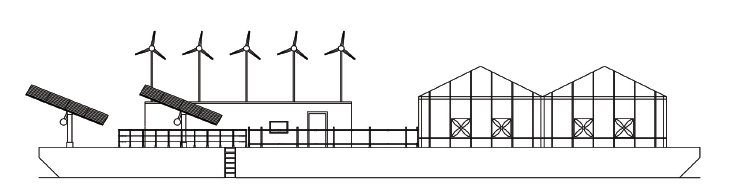
The Science Barge is a prototype, sustainable urban farm and environmental education center. It is the only fully functioning demonstration of renewable energy supporting sustainable food production in New York City. The Science Barge grows tomatoes, cucumbers, and lettuce with zero net carbon emissions, zero chemical pesticides, and zero runoff. From May to October 2007, the Science Barge hosted over 3,000 schoolchildren from all five New York boroughs as well as surrounding counties as part of our environmental education program. In addition, over 6,000 adult visitors visited the facility along with press from around the world.
The Science Barge: now in Yonkers, New York
The ownership of the Science Barge program has been assumed by Groundwork Hudson Valley, located in Yonkers, NY. For information about public tours, opening times and education programming, please follow this link to the Groundwork Hudson Valley website
“The Science Barge is not only an invitation to ideas and learning, but to change.”
Dr. Jeffrey Sachs, director of the Earth Institute at Columbia University
and special economic advisor to the United Nations.
– See more at:
http://nysunworks.org/thesciencebarge/#sthash.eFSdMsae.dpuf
http://nysunworks.org.s46880.gridserver.com/?s=thesciencebarge
VANCOUVER URBAN FARM
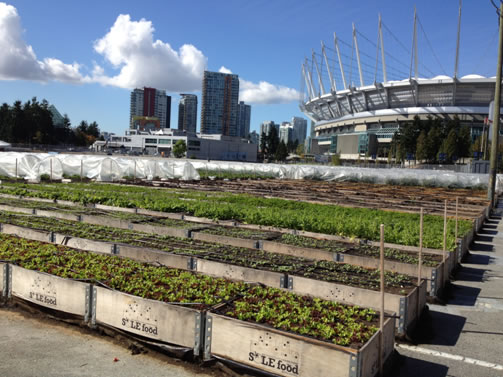
Walk along Pacific Boulevard to Carrall Street in Vancouver and you’ll see a garden growing in a concrete parking lot in the shadow of Rogers Arena. This is SOLEfood Urban Farm’s newest (and, at two acres, biggest) project – a sure sign that urban agriculture has reached Vancouver.
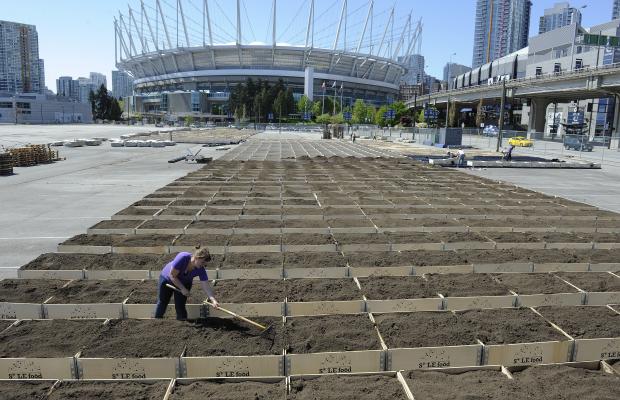
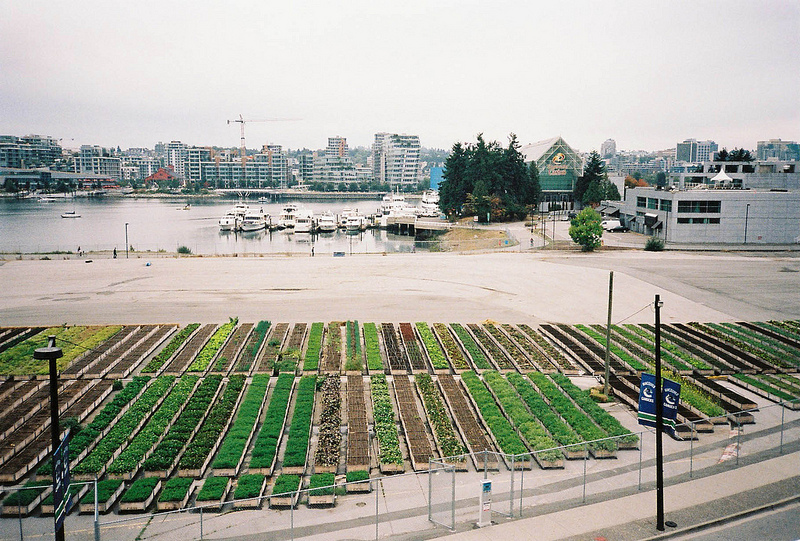
SOLEfood, which received a free three-year lease on the land from Concord Pacific Developments, has been growing bok choy, spinach, eggplant, kale, peppers, tomatoes, strawberries and other fruits and veggies in nearly 3,000 wooden planters since last May.
Once harvested, 10% of the produce will be donated to Downtown Eastside (DTES) organizations; the rest will be sold to restaurants and farmer’s markets and divided among members of SOLEfood’s community supported agriculture (CSA) program (find out how you can receive fresh, locally grown produce throughout the year here).
But SOLEfood grows more than food. It also creates jobs for people that may have trouble finding employment. With several more urban gardens in the works, the organization, which was founded by Michael Ableman and Seann Dory, plans to employ up to 25 Vancouver Downtown Eastside residents to build planters and care for the plants by the end of 2012.
– See more at: http://www.bikramyogavancouver.com/vancouver-community/solefood-urban-farm-vancouver/#sthash.gtWyFuSZ.dpuf
Urban Farming Series: edible sprout
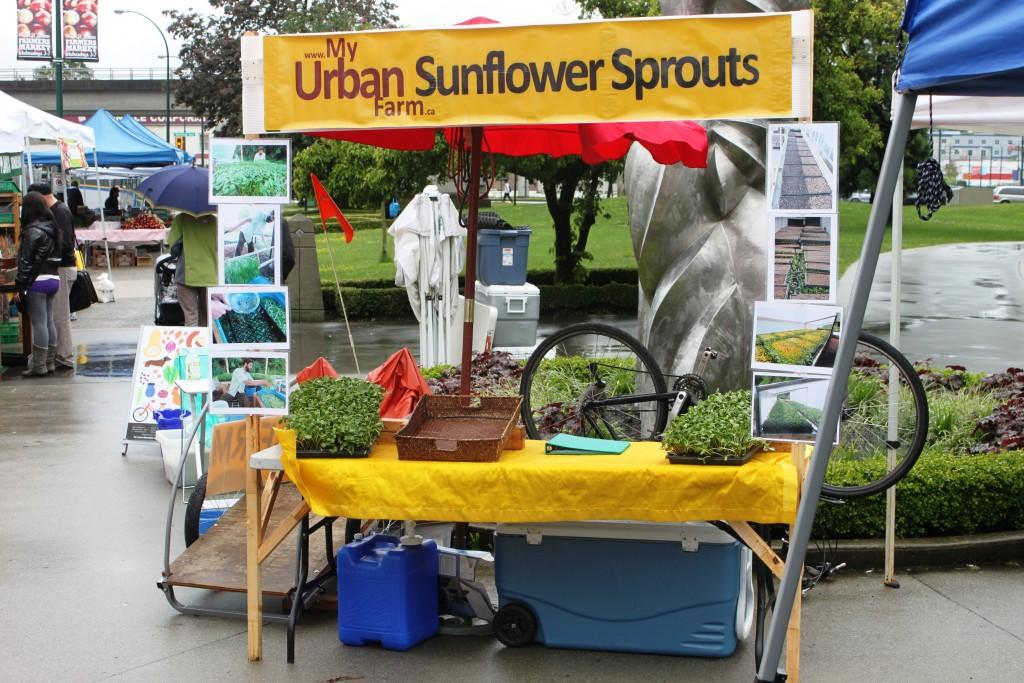
One day last summer while wandering around UBC Farm, I spotted someone working on some platform beds covered in plastic, the likes of which I was not used to seeing.
Curiously I walked over to take a closer look. What I found was Chris Thoreau and his sunflower sprouts.
You may see Chris around the city at various farm markets selling his sprouts, but there is more to him and his company, My Urban Farm. Chris knows food. He has spent many years working in the restaurant industry as well as many more years teaching, learning and farming in Vancouver and Vancouver Island.
You may see Chris around the city at various farm markets selling his sprouts, but there is more to him and his company, My Urban Farm. Chris knows food. He has spent many years working in the restaurant industry as well as many more years teaching, learning and farming in Vancouver and Vancouver Island.
Chris and his My Urban Farm bring a wealth of knowledge into helping urbanites turn their land and yards into productive food systems – and he can do it with very little environmental impact. If you see Chris at the next farmer’s market, buy yourself a bag of sunflower sprouts and ask him what he can do to make your garden a great one.
Chris and his My Urban Farm bring a wealth of knowledge into helping urbanites turn their land and yards into productive food systems – and he can do it with very little environmental impact. If you see Chris at the next farmer’s market, buy yourself a bag of sunflower sprouts and ask him what he can do to make your garden a great one.
Tell us a little about your business, your background and how you decided to become an urban farmer?
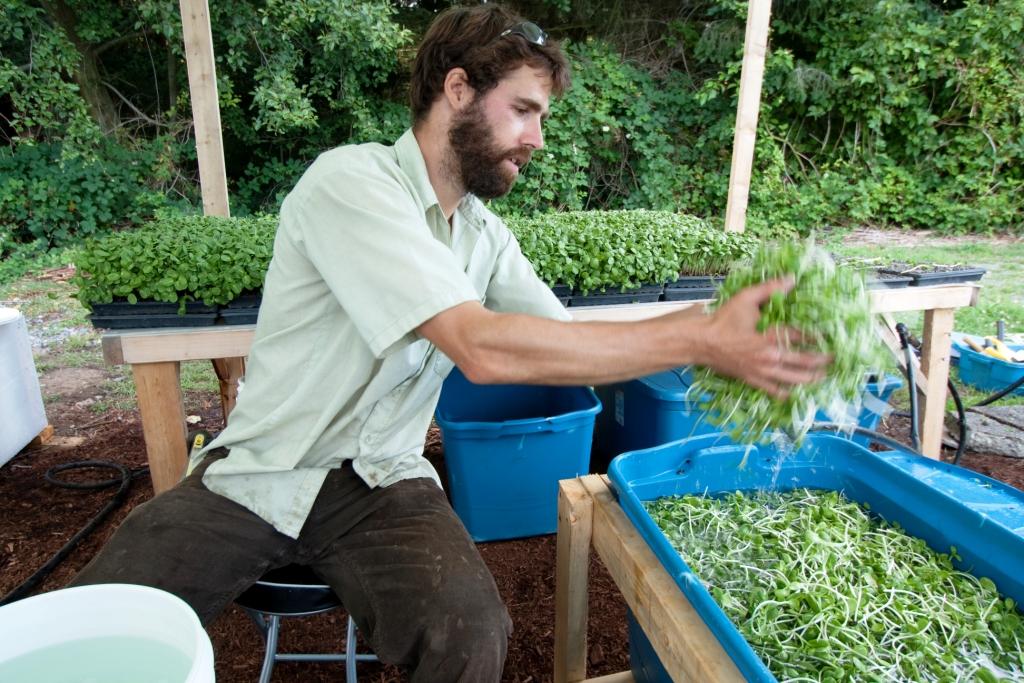
My Urban Farm focuses on growing sunflower sprouts and pea shoots for local markets and restaurants. All production and deliveries are done by bicycle. Previous to this I operated a small organic farm on Vancouver Island. I am just finishing an Agroecology degree at UBC. Whilst attending UBC I still wanted to grow food and was thus obligated to be an urban farmer! So I developed this sprouting system to be portable and small-scale, yet still profitable. I am now in my second season.
What do you find are the advantages, disadvantages and challenges of urban farming (compared to small scale rural farming)?
Advantages: close to market, promotes local foods, reduced food miles, city water source
Disadvantages: usually requires multiple sites thus more travel time; hard to find land; land tenure unstable; pollution; vandalism
Challenges: Time management
What do you grow? What is your favourite plant/vegetable/fruit to grow? Why?
Sunflower Shoot and Pea Shoots. I like these as they grow on a quick ten-day cycle and can be grown just about anywhere. Plus no one else grows them!
When you harvest your produce, where do you sell it or what happens to it?
Farmers’ markets, CSAs, restaurants, grocers
What are your views on today’s food system?
Too commoditized; still too much focus on chemicals and GMO; we are all disconnected from our food
What are your hopes for the future of urban farming?
City makes more land available for farming; more grants for urban farmers
Finally, since this conversation is all about food, what is going to be on your dinner plate tonight?
Had urban zucchini stuffed with rice, currants, roasted sunflower seeds, and asiago cheese and steamed urban cauliflower shoots, my own sunflower sprouts, and farmers’ market biodynamic sauerkraut.
http://landwaterfork.com/urban-farming-series-my-urban-farm/
URBAN VERTICAL FARM OPENS IN VANCOUVER
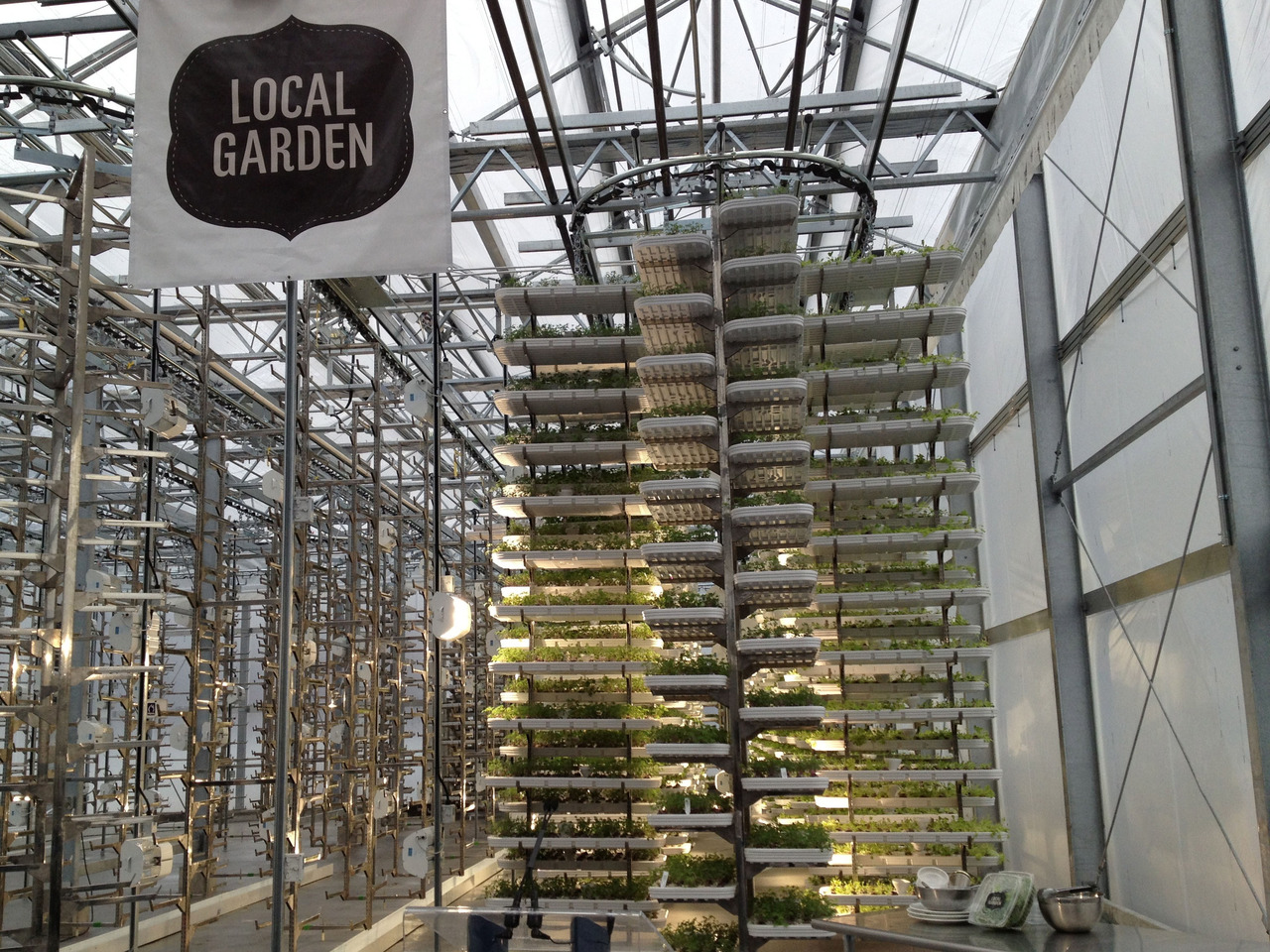
First North American Urban Vertical Farm Opens in Vancouver!
Last month, the first commercial vertical farm in the world opened in Singapore. This week, Alterrous systems opened up its first vertical farm on top of a parkade in Vancouver. It feels like just yesterday that we were blogging about the initial stages of construction of the farm.
We couldn’t help but smile at the picture below of Vancouver mayor Gregor Robertson enjoying his first taste of vertically farmed produce.
Vancouver is well on its way achieving its goal of being the greenest city by 2020.
November 29th Edit: Please do not misunderstand what we mean by “First Vertical Farm in North America”. We have added “Urban” to that statement as we realize that it is misleading to say Local Garden is the first to grow crops vertically using hydroponics. Other businesses, such as Terrasphere have been growing certain crops on dense vertical shelving units in a suburb of Vancouver for years.
Locavores, look no further than the 10th floor of a downtown parkade for homegrown, leafy greens.
The first vertical urban farm in Vancouver – and in North America – harvested its first commercial crop of greens, kale, spinach, arugula and fresh herbs Tuesday from the rooftop of the Richard St. EasyPark.

The clean-tech farm is green, innovative, creates local jobs and occupies unused space, making it a “win-win” for Vancouver, Mayor Gregor Robertson said at the launch event.
Plus it lines the city’s pockets. Vancouver-based Alterrus Systems Inc. leased the underused parking space from the city at market rates and built the greenhouse with its own cash.
The $2-million, 6,000 square foot Local Garden, as the crops are branded, will employ between four to six people from Downtown Eastside organization Mission Possible.
The original VertiCrop system at the U.K.’s Paignton Zoo grows produce to feed animals, but this is Alterrus’ first attempt to sell to commercial markets.
It expects to produce 150,000 pounds of produce annually. The crops take about 20 days to grow and are rotated through the conveyor system to get maximum light exposure.

While the greens will be sold to those who can afford them, Alterrus is looking at opportunities to pay part of its lease fees in produce to contribute healthy food to city organizations, strategic advisor Donovan Wollard said.
Local restaurants and grocery stores such as Fable, Hawksworth, Spud.ca and Urban Fare want to buy the greens rather than ship the highly perishable items from as far as 2,000 kilometres away.
GROWING CITY AND COMMUNITY
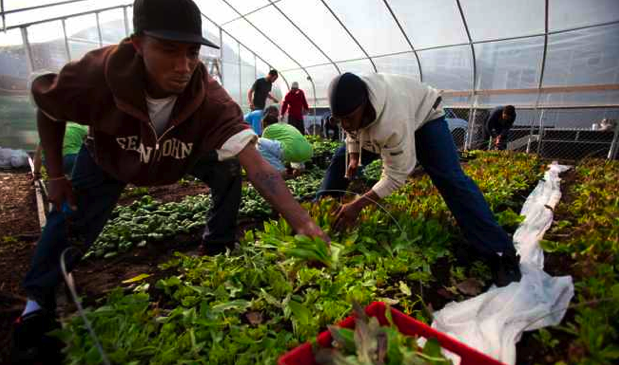
Growing Home Inc. is more than a producer of local, organic produce. Food Tank recently had the opportunity to speak with Tim Murakami, Growing Home’s Urban Farm Manager. Murakami is responsible for the production and business aspect of Growing Home’s urban farms based in Chicago, IL, but Growing Home primarily functions as a job training program. Founded in 1996 by Les Brown, Growing Home was launched to provide job training to Chicagoans in need. Brown was inspired by his work at Chicago Coalition for the Homeless to provide individuals in transition with a sense of purpose and the chance to break the cycle of homelessness. Brown passed away in 2005, but his mission lives on.
Growing Home currently operates four sites—a ten-acre farm in Marseilles, IL and three urban sites in the city of Chicago. Two of the gardens are next door to each other in the West Englewood neighborhood, while the other is about one mile away and works in partnership with another organization, Su Casa. Murakami explained, “Growing Home operates in three main ways: job training, organic urban agriculture, and community development.” Their work in the Englewood neighborhood is part of Teamwork Englewood, an initiative formed in 2003 as part of the New Communities Program, to unite organizations working in the neighborhood to build a stronger community and promote healthy lifestyles for residents. “Our Englewood location is important to our mission; it brings fresh produce to an area [in which it is] otherwise scarce,” said Murakami.
MORE INFO: LINK
ABOUT GROWING HOME
Growing Home is the leading social enterprise focused on empowering people and communities with Chicago’s first USDA-Certified Organic, high-production urban farms.
With farms in the Englewood and Back of the Yards neighborhoods, as well as the 10-acre Les Brown Memorial Farm in Marseilles, Illinois, Growing Home seeks to operate, promote, and demonstrate the use of organic agriculture as a vehicle for job training, employment, and community development.
Growing Home provides transitional employment and green industry training to Chicagoans motivated to reenter the workforce. We work with individuals who have had difficulty obtaining employment due to histories of incarceration, homelessness, or substance dependence, who are ready to rebuild their lives. Through a social enterprise business based on organic agriculture, interns learn specialized skills in agriculture and landscaping, food service, and/or customer service, as well as general workplace and life skills. Our program provides hands-on experience, education, and interpersonal skills that prepare our interns for a variety of careers in growing Chicago industries.
MORE INFO: LINK
LOMBRICHICOLTURA – EARTHWORM FARM
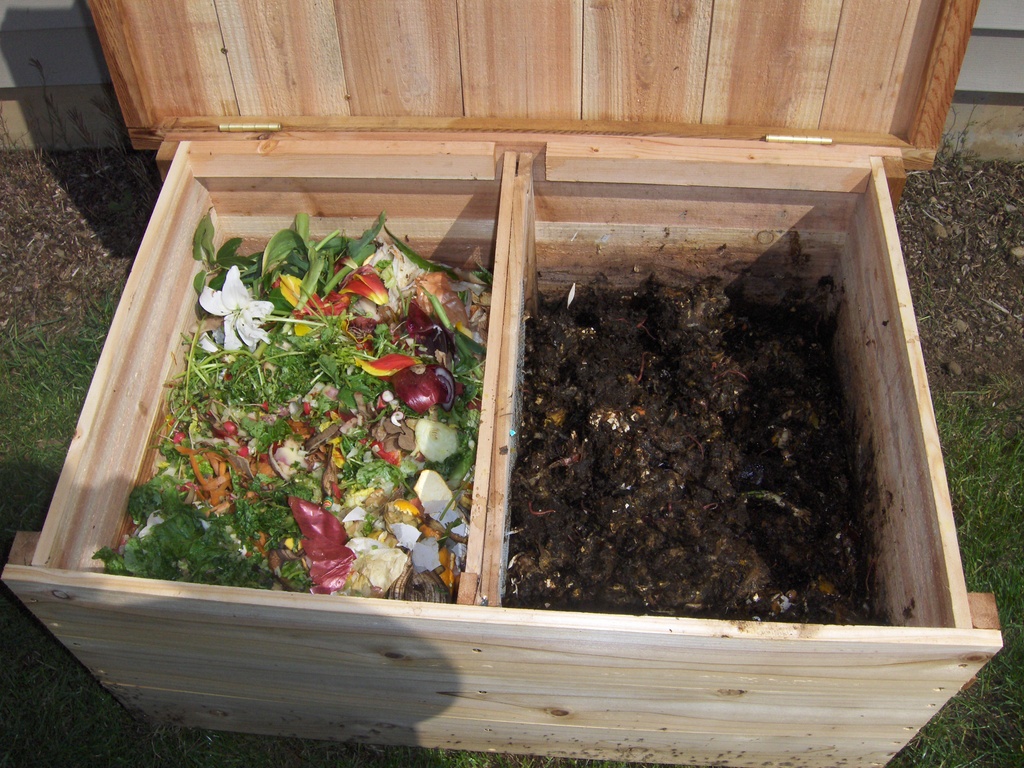
Un modello di vermi-compostiera per l’allevamento di lombrichi
HOME MADE WORMFARM

FATTORIA DI LOMBRICHI DA BALCONE
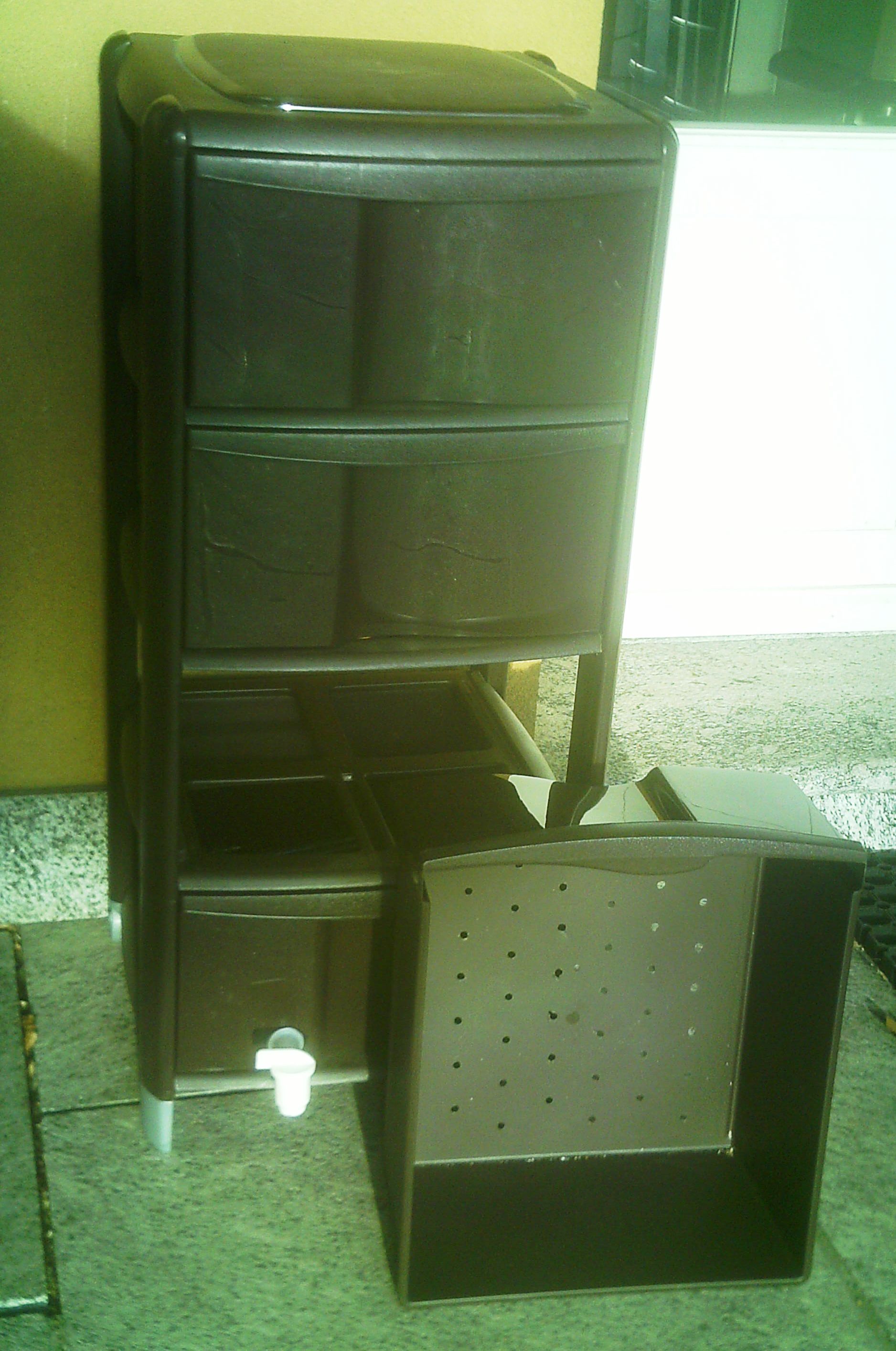
cassettiera da balcone: 40x40x85 cm ca. euro 50 (più spese di spedizione)
– 4 cassetti (di cui 3 forati per il passaggio dei lombrichi)
– rubinetto per la raccolta del liquido (“thè” – ottimo per bagnare i fiori)
– rotelle per agevolare gli spostamenti
– 2 “fermi” da mettere sotto le rotelle per creare la pendenza necessaria a raccogliere il percolato (“thè”)
– manuale di istruzioni
– fornitura di lombrichi necessaria a parte (euro 20).
LINK
LETTIERA PER LOMBRICHI DA 2 MQ
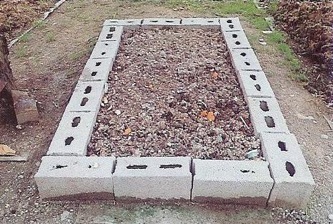
Lettiera tipo: area 2mq.
Il lombrico vive nella lettiera in mezzo alla sua alimentazione. Smaltisce tutti i residui della casa, dei giardini e degli orti, trasformandoli in humus, prezioso concime naturale indispensabile per fiori, piante e ortaggi.
Inoltre si producono lombrichi da esca o da immettere nel terreno.
Avere nel proprio giardino una lettiera è interessante, istruttivo, produttivo e remunerativo.
Un buon numero di lettiere permette un’attività industriale.
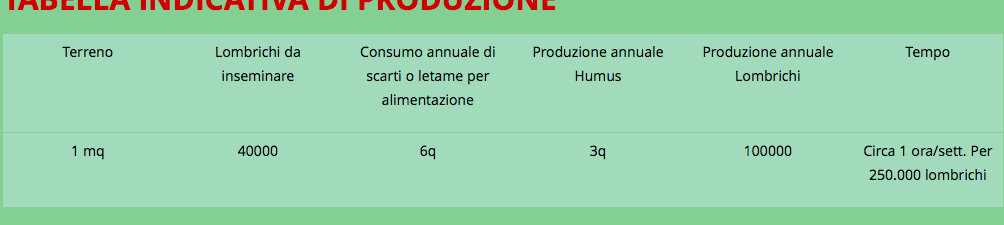
per acquistare modelli per la produzione industriale oppure kit scolastici:
http://www.lombricolturacompagnoni.it/
ENGLISH VERSION

But why earthworms?
Earthworms take waste products and turn it into a useful product – compost. Earthworm castings (basically their excretions) provide one of the best and most environmentally friendly fertilisers you can get. Castings consist of 30 per cent humus – the end product of compost – and are considered to be five times richer than good topsoil.
If that sounds unhygienic to you, it is a known fact that earthworms neutralise up to 99 per cent of germs in less than two hours.
Another byproduct of your earthworm farm is “worm tea”, an odourless liquid that seeps through the material that the worms eat.
These handy little helpers will assist you to reduce your weekly household waste by up to 25 per cent! Go on, start your own earthworm farm and convert your organic waste into food for your plants.
Once you get over the fact that you have worms in your kitchen, you will realise the value these little workers have for our environment.
How to start your own earthworm farm
There are two ways to start your own worm farm:
1) Buy a ready-made kit from a supplier (for a list of earthworm farm suppliers, |click here|)
2) Make your own. Here’s how…
What you’ll need:
* Two plastic bins with lids (black, as earthworms prefer the dark)
* If one bin has a tap attached to the bottom of the bin it will assist with tapping the “worm tea”
* Mesh
* Pebbles
* Newspaper, cardboard
* And… earthworms (do not use earthworms that you find in your garden; use only Red Wigglers. To find out where you can buy earthworms in South Africa, |click here|)
Step 1:
* Take the plastic bin (without the tap) and drill a series of holes in the bottom to allow drainage. (Tip: drill from the inside so the rough edges are on the outside of your bin; if you drill on the inside, it might hamper your juice flow).
* Then drill some holes in the walls and lid of the same bin to allow air to circulate.
Step 2:
* Place a layer of small pebbles at the bottom of the bin, followed by a layer of mesh to assist with drainage and prevent the worms from falling out the bottom.
* Then add a 5 cm-thick layer of damp shredded newspaper (long thin streaks), which acts as bedding for the earthworms.
Step 3:
Next you will need to add the worms; remember to add them with the soil that they came in.
Step 4:
* Cut a piece of cardboard to fit over the bedding and wet it a bit with a spray bottle.
* “Cover” your worms with the cardboard and then put the lid on.
* Place this bin into the bin with the tap and place it in a shady spot. You can even leave it in your kitchen, as your earthworm farm should be odourless.
MORE INFO: http://www.rainharvest.co.za/2010/06/reduce-organic-waste-start-an-earthworm-farm/
GREEN HOUSE UNDERGROUND
Terre – Social : Pour quelques 250 euros, il est possible de construire une serre souterraine qui vous permettra de jardiner toute l’année durant, malgré et au-delà du froid.
Cette serre s’appelle un Walipini.
Le Walipini est une alternative abordable et efficace aux serres en verre. Tout d’abord développée il y a 20 ans pour les régions montagneuses froides d’Amérique du Sud, cette méthode permet aux agriculteurs du monde entier de maintenir un potager productif toute l’année, même lorsque le climat est froid. (src)
URBAN FARM AT MILANO: CASCINE APERTE A MILANO

URBAN FARM AT MILANO
Milano Luoghi Vari
Milano | mappa
http://www.associazionecascinemilano.org
GRATIS
Davide Ciccarese
save the date – URBAN BEES – API URBANE @TORINO
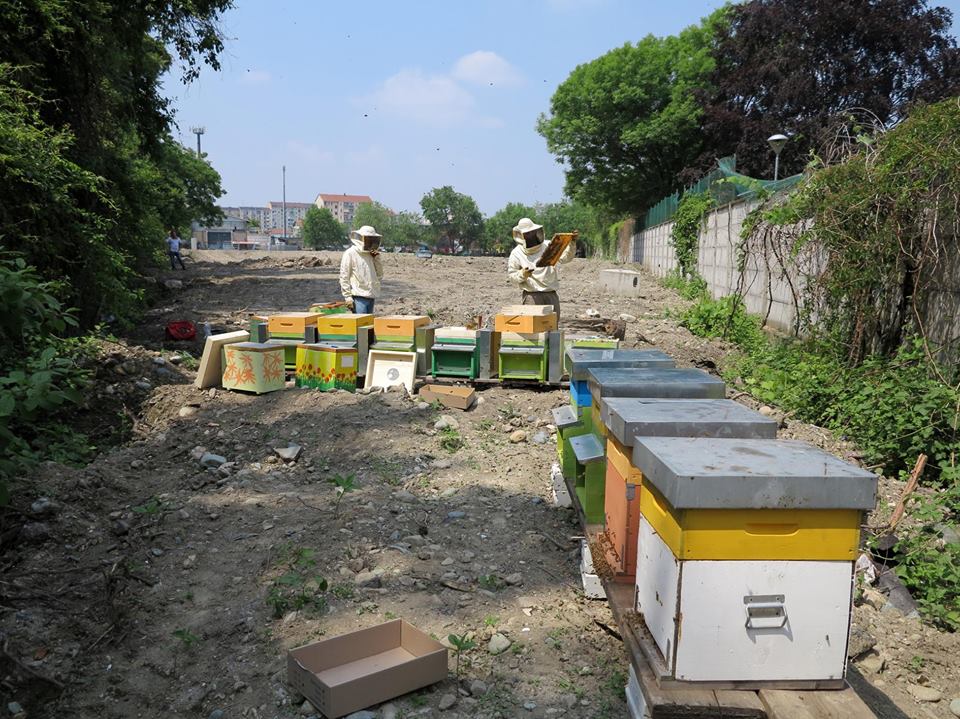
Urban events at Torino: urban bees
21 settembre ore 16:00
via Paganini 0/200, 10154 Torino
PROGRAMMA DELLA GIORNATA:
• 16.00: Presentazione Orti Ex-ENEL + Discussione pubblica con i partecipanti al progetto: domande, critiche, risultati, novità
• 17.00: Presentazione Progetto Urbees + MERENDA con pane&miele
• 18.00: Racconti di orticoltura urbana (Politecnico di Milano)
• 18.30: Approfondimento 1: L’idea di orto di Nicolò Taglia
• 19.00: Approfondimento 2: L’orto biodinamico secondo Andrea Rava
• 19.30: APERITIVO con degustazione dei prodotti dell’orto
• 20.30: Presentazione del libro di Carlo Taglia “Giro del mondo senza aerei” e anteprima documentario
• 21.15: Proiezione documentario Apicoltura Urbana
• 21.30: Proiezione fotografie e video dei lavori agli orti Ex-ENEL
• 22.00: Performance musicali live dell’artista di origine turca Selen GULUN, della TACUMA ORCHESTRA ELETTRONICA e di Patrizia OLIVA
• 00.00: Djset di Andrea POMINI
MORE INFO: https://www.facebook.com/events/541121685959735/?ref_newsfeed_story_type=regular
FATTORIA URBANA SUL TETTO – BIG ROOF TOP FARM
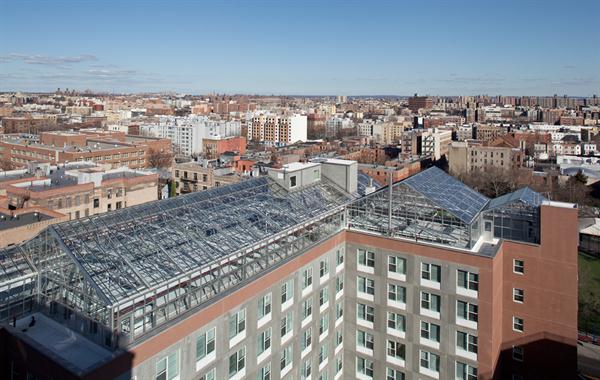
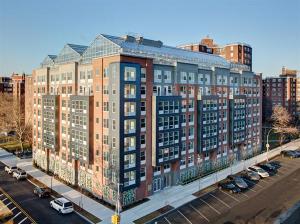
A New York le aziende Blue Sea Development e Sky Vegetable, stanno lanciando un nuovo progetto nel Sud Bronx di fattoria urbana sul tetto.
The New York City Department of Housing Preservation and Development in partnership with Blue Sea Development and Sky Vegetables, launched a new housing project in the South Bronx featuring a rooftop farm. The innovative eco-friendly building offers low-incomecommunities not only affordable housing but also year-round employment and fresh food alternatives.
770 East 166th Street, Bronx NY 10459
311
video: http://a002-vod.nyc.gov/html/recent.php?id=2114
 Agricoltura Urbana